Sillua Guide
What Is Optical Illusion Art?
Prepared by Sillua Atelier · Updated
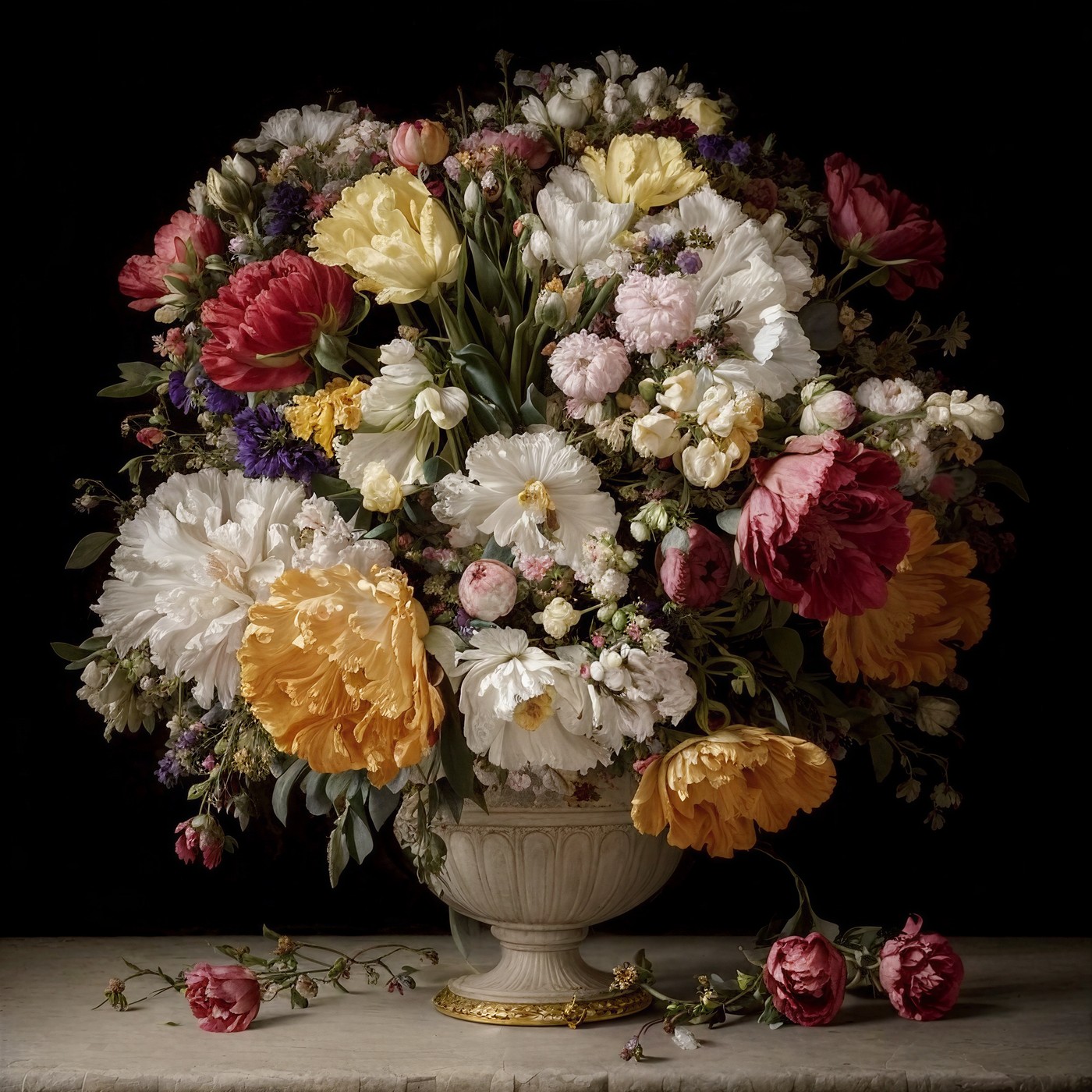
Optical illusion art is a type of art that leads the viewer's eye and brain to perceive an image, motion, or depth that is not actually there. Using tools like perspective, light and shadow, color, and pattern, the artist makes the brain interpret visual cues in unexpected ways. It comes in many forms, from hidden images and anamorphic 3D drawings to op art and metamorphic portraits.
In short, optical illusion art is art that says 'don't trust your eyes': it plays with the gap between what you see and what is really there.
How does optical illusion art work?
The human brain fills in missing or ambiguous information from the eye based on past experience. Optical illusion art exploits exactly this reflex: depth cues, contrast, repeating patterns, or viewing angle are deliberately steered, and the brain sees what it expects to see.
For example, from a distance or when blurred, the brain prioritizes the overall light-and-shadow pattern over fine detail; hidden portraits work on this principle.
Types of optical illusion art
- Hidden images: A second image skillfully placed inside another, noticeable only on close inspection or from a distance.
- Metamorphic art: Works in which a group of objects combine to form something else, such as a face.
- Anamorphosis: Images that look correct only from a specific angle or through a reflective surface, and distorted otherwise.
- Op art: Abstract art that creates the illusion of motion, vibration, or depth through pattern and color.
- Impossible objects: Forms with contradictory geometry that could not exist in reality.
- Trompe-l'oeil: A realistic painting technique, meaning 'deceive the eye,' that makes a flat surface look three-dimensional.
- Modern digital illusions: A contemporary take in which today's visual technology skillfully hides one image inside another composition.
A brief history and famous artists
The roots of optical illusion art go back centuries. In the 16th century, Giuseppe Arcimboldo created early examples of metamorphic art with portraits made of fruit and vegetables. In the 20th century, M. C. Escher became known for impossible geometry, Salvador Dali for double images, and Bridget Riley for the vibrating patterns of op art.
The Mexican artist Octavio Ocampo is one of the best-known names in the hidden-portrait tradition, with metamorphic works that conceal one image inside a scene.
Hidden portraits: the personal side of illusion art
A hidden portrait is a personalized form of metamorphic illusion: a face is concealed inside a composition such as flowers or a landscape. Specialist studios can now prepare a personal interpretation from a customer's photo for digital delivery or canvas display.
Sillua follows this approach by hiding the photo you send inside a baroque floral painting.
Frequently Asked Questions
Are an optical illusion and optical illusion art the same thing?
Largely yes. An optical illusion is the phenomenon of visual perception being deceived; optical illusion art is the art form that uses this phenomenon deliberately for an aesthetic purpose.
What is hidden image art?
It is a type of illusion in which a second, initially unnoticed image is placed inside another. It usually appears when viewed from a distance, by squinting, or on close inspection.
What is anamorphic art?
Images that look correct only from a specific angle or through a reflective surface, and appear distorted otherwise.
What is op art?
An abstract movement that creates the illusion of motion, vibration, or depth in the eye through the placement of pattern and color.
Can I have my own illusion artwork made?
Yes. Sillua prepares a personalized hidden portrait, a form of metamorphic illusion, by concealing your photo inside a composition.
Commission your own illusion artwork
Turn one of your photos into a personalized illusion piece with a loved one's face hidden inside.
Explore hidden portrait styles